Sports Massage Therapy (Dry) in Kathmandu
| Treatment | Duration | Price (NPR) |
|---|---|---|
| Sports Massage Therapy (Dry) | 60 min | Rs. 3,900 |
| Sports Massage Therapy (Dry) | 90 min | Rs. 5,500 |
| Sports Massage Therapy (Dry) | 2 hours | Rs. 7,200 |
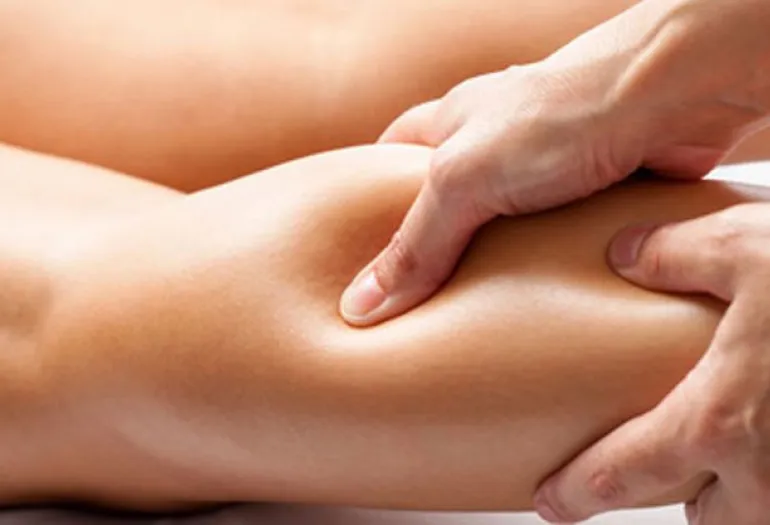
Sports massage is a dry (no oil) therapeutic technique designed for physically active people — athletes, gym-goers, runners, cyclists, and trekkers. Unlike relaxation massage, sports massage focuses on treating and preventing specific muscular problems: tight hamstrings, overworked quads, strained calves, shoulder impingement, and the general wear that repetitive physical activity creates. At Real Therapy Spa in Thamel, Kathmandu, our therapists use a combination of effleurage, deep kneading, wringing, hacking, and trigger point therapy to address the exact muscles that your activity has stressed.
Sports massage can be used before activity (to warm and prepare muscles), after activity (to speed recovery and reduce soreness), or as ongoing maintenance (to prevent injuries and maintain peak performance). It's performed without oil on clothed or partially clothed clients, making it practical and efficient. Sessions are available in 60-minute, 90-minute, and 2-hour durations.
Who Should Get Sports Massage?
Athletes in active training. Whether you're training for a marathon, competing in martial arts, playing football, or lifting weights, sports massage is an essential part of any serious training programme. It identifies and resolves muscle imbalances before they become injuries, flushes lactic acid after intense sessions, and maintains the flexibility needed for peak performance.
Trekkers — before and after Himalayan treks. Nepal's trekking routes demand sustained physical effort over multiple days. A pre-trek sports massage warms the muscles and improves range of motion. A post-trek session addresses the specific patterns trekking creates: tight calves, stiff quads, compressed lower back, and overworked shoulders from carrying a pack. For a combined stretching and recovery session, consider our trekkers massage or Thai stretching massage.
Gym enthusiasts and recreational athletes. You don't need to be a professional athlete to benefit. If you run, cycle, swim, do yoga, or work out regularly, sports massage keeps your muscles healthy between sessions — reducing delayed-onset muscle soreness (DOMS), improving recovery time, and preventing the gradual tightening that leads to injury.
Anyone recovering from a muscle strain or soft tissue injury. Sports massage accelerates healing by increasing blood flow to injured tissue, breaking down scar tissue adhesions, and restoring range of motion. It's commonly used alongside physiotherapy for rehabilitating pulled muscles, tendonitis, and ligament sprains.
Benefits of Sports Massage
Faster muscle recovery. Intense physical activity creates micro-tears in muscle fibres, lactic acid buildup, and inflammation. Sports massage flushes metabolic waste, increases oxygen-rich blood flow to the tissue, and mechanically realigns damaged muscle fibres. This significantly reduces recovery time between training sessions — athletes who incorporate regular sports massage can train harder and more frequently.
Injury prevention. Most sports injuries don't happen suddenly — they develop gradually from tight muscles, imbalances, and restricted range of motion. Sports massage identifies these problems early, resolves them before they become injuries, and maintains the muscle balance needed for safe performance. Prevention is always cheaper and less painful than rehabilitation.
Increased flexibility and range of motion. The combination of deep kneading, cross-fibre friction, and trigger point release breaks down adhesions and restores elasticity to muscle and fascia. This directly improves joint range of motion — critical for athletes in any discipline. The flexibility gains from sports massage complement and enhance the benefits of stretching.
Reduced muscle cramps and spasms. Cramps result from dehydration, electrolyte imbalance, or overworked muscles in sustained contraction. Sports massage helps by releasing muscles from their contracted state, improving circulation, and stimulating the nerve pathways that regulate muscle tone.
Enhanced athletic performance. Flexible, well-recovered, injury-free muscles perform better. Regular sports massage creates the physiological conditions for peak output — better blood flow, optimal muscle length, balanced tone across opposing muscle groups, and a nervous system that recovers faster between efforts.
Sports Massage Techniques
Sports massage combines five core techniques, each serving a specific purpose:
Effleurage — long, sweeping strokes that warm the tissue, increase circulation, and assess the muscle's condition. Used at the beginning and end of each area.
Deep kneading (petrissage) — lifting, compressing, and rolling the muscle tissue to break down adhesions, improve blood flow, and restore flexibility in deeper layers.
Wringing — lifting and squeezing the muscle side to side, particularly effective on large muscle groups like the quadriceps, hamstrings, and calves. Releases tightness and improves tissue mobility.
Hacking (tapotement) — rapid, rhythmic striking with the edge of the hands to stimulate both the muscular and nervous systems. Used primarily in pre-event sports massage to activate and warm the muscles.
Trigger point therapy — sustained, focused pressure on hyper-irritable spots within the muscle. These trigger points cause localised pain and often refer pain to other areas. Holding pressure until the point releases is one of the most effective techniques for resolving chronic muscle tightness.
What to Expect During Your Session
Sports massage at Real Therapy Spa is performed without oil. You can wear shorts and a t-shirt, or the therapist can work through light clothing. The session is tailored to your specific activity and problem areas.
Your therapist begins with a consultation — what sport or activity you do, where you feel tightness or pain, and whether the session is for preparation, recovery, or maintenance. The treatment then focuses on the relevant muscle groups with the appropriate technique intensity.
Sports massage can involve moderate discomfort, particularly during trigger point work on tight areas. This "therapeutic discomfort" is different from pain — it indicates the therapist is reaching the problem tissue. Communicate throughout so the therapist can maintain the optimal pressure level.
After the session, drink plenty of water. Mild soreness for 24–48 hours is normal. Avoid intense exercise for 24 hours to allow the muscles to fully recover from the treatment.
Sports Massage vs Deep Tissue Massage
Choose sports massage if you're physically active and need treatment specific to your sport or activity — pre-event preparation, post-event recovery, or ongoing maintenance. Sports massage is tailored to athletic patterns.
Choose deep tissue massage if your pain is chronic and not necessarily related to sport — desk-related tension, general muscle knots, postural problems. Deep tissue uses oil and focuses on breaking down adhesions in specific areas.
For flexibility-focused work with stretching, Thai massage is the best option.
Sports Massage at Real Therapy Spa, Thamel
Real Therapy Spa has provided sports massage in Thamel, Kathmandu since 2002. Open daily 10:00 AM to 10:00 PM. View our spa menu and prices or explore spa packages that combine sports massage with sauna and steam for enhanced recovery.