Ayurvedic Massage Therapy in Kathmandu
| Treatment | Duration | Price (NPR) |
|---|---|---|
| Ayurvedic Massage Therapy | 60 min | Rs. 3,900 |
| Ayurvedic Massage Therapy | 90 min | Rs. 5,500 |
| Ayurvedic Massage Therapy | 2 hours | Rs. 7,200 |
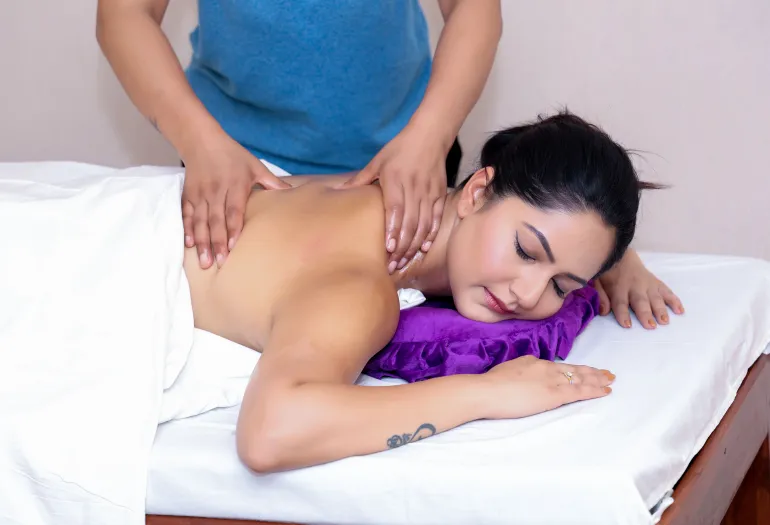
Ayurvedic massage — known traditionally as Abhyanga — is a full-body oil massage rooted in the ancient Indian healing system of Ayurveda. What sets it apart from Western massage techniques is its foundation in personalised treatment: the oils, pressure, and strokes are selected based on your individual body constitution (dosha), making each session uniquely tailored to your needs. At Real Therapy Spa in Thamel, Kathmandu, our therapists use warm herbal oils and traditional Ayurvedic techniques to restore balance across body, mind, and nervous system.
Nepal sits at the geographic crossroads of Ayurvedic tradition. The practice has been part of South Asian wellness culture for over 3,000 years, and the Himalayan region has historically been a source of the medicinal herbs and oils used in Ayurvedic treatments. When you receive an Ayurvedic massage in Kathmandu, you're experiencing this therapy closer to its origins than almost anywhere else in the world. Sessions are available in 60-minute, 90-minute, and 2-hour durations.
What Makes Ayurvedic Massage Different?
Most massage styles — Swedish, deep tissue, sports — use a standard set of techniques applied the same way to every client. Ayurvedic massage takes a fundamentally different approach. The treatment is guided by the concept of doshas — the three bio-energies (Vata, Pitta, and Kapha) that govern how your body functions.
Vata types tend toward dry skin, cold extremities, anxiety, and restlessness. Ayurvedic massage for Vata uses warm, heavy sesame-based oils with grounding, slow strokes to calm the nervous system and nourish dry tissue.
Pitta types tend toward inflammation, heat sensitivity, and intensity. The treatment uses cooling oils like coconut or sunflower with moderate, soothing pressure to reduce internal heat and promote calm.
Kapha types tend toward heaviness, sluggishness, and fluid retention. Lighter, stimulating oils with invigorating strokes and deeper pressure help activate circulation and move stagnant energy.
Your therapist at Real Therapy Spa will assess your dominant dosha through a brief consultation before the session, then select the appropriate oil blend and technique accordingly. This personalised approach is what makes Ayurvedic massage feel so different from a standard spa treatment — it's designed specifically for your body's current state.
Who Should Get an Ayurvedic Massage?
Anyone seeking holistic, full-body healing. If you want more than just muscle relaxation — if you're looking for a treatment that addresses your physical tension, mental stress, and overall energy levels simultaneously — Ayurvedic massage is built for exactly this purpose. The warm herbal oils penetrate deeply into the skin and tissue, while the rhythmic strokes calm the nervous system from the outside in.
People dealing with stress, anxiety, or burnout. Ayurvedic massage is exceptionally effective at resetting the nervous system. The warm oil, consistent rhythm, and full-body coverage create a deeply meditative state. Clients who arrive feeling wired and overwhelmed consistently leave feeling calm, grounded, and mentally clear. For targeted upper-body tension relief, combine this with our head and neck massage.
Those with dry skin, joint stiffness, or poor circulation. The warm herbal oils used in Abhyanga are deeply nourishing for the skin — they soften, hydrate, and improve skin texture over multiple sessions. The oil also penetrates into the joints, improving lubrication and reducing stiffness. If you're arriving in Kathmandu during winter when the air is cold and dry, an Ayurvedic massage is one of the best treatments for both your muscles and your skin.
Travellers and trekkers wanting recovery with cultural depth. Many visitors to Nepal specifically seek Ayurvedic massage because of its connection to the region's wellness traditions. If you want a treatment that's both physically effective and culturally meaningful, this is it. For more intensive post-trek muscle recovery, our trekkers massage or deep tissue massage targets sore muscles more aggressively.
Anyone struggling with sleep issues. The combination of warm oil, rhythmic strokes, and nervous system regulation makes Ayurvedic massage one of the most effective natural sleep aids. The effects are not just immediate — regular sessions retrain the body's stress response, leading to consistently better sleep quality over time.
Benefits of Ayurvedic Massage
Deep relaxation and nervous system reset. Ayurvedic massage activates the parasympathetic nervous system more effectively than most massage styles. The warm oil, full-body coverage, and steady rhythm produce a state of relaxation so deep that many clients describe it as meditative. Cortisol drops, heart rate slows, and the body shifts into full recovery mode. This isn't surface-level relaxation — it's a systemic reset.
Improved circulation and lymphatic drainage. The stroking techniques in Abhyanga follow the body's natural circulatory and lymphatic pathways, actively promoting blood flow and helping the lymphatic system flush toxins and excess fluid. This is why you often feel lighter and more energised after the session — your body is literally moving waste products more efficiently.

Joint health and mobility. Warm oil penetrates into the joint capsules, improving lubrication and reducing friction between bones. For people with stiff joints — whether from arthritis, aging, cold weather, or post-trek fatigue — regular Ayurvedic massage progressively improves range of motion and reduces discomfort. The effect is cumulative: joints that receive consistent oil massage maintain better health over time.
Skin nourishment and detoxification. Unlike dry massage techniques, Ayurvedic massage delivers nutrition directly to the skin through herbal oils. These oils are absorbed through the skin layers, hydrating from within, improving skin tone, and supporting the body's natural detoxification processes. After a session, your skin feels noticeably softer and more supple — and the effects improve with regular treatment.
Emotional balance and mental clarity. Ayurveda views physical and emotional health as inseparable. The targeted oil selection and massage rhythm are designed to balance your dominant dosha, which directly affects your emotional state. Vata imbalances (anxiety, restlessness) are calmed. Pitta imbalances (irritability, frustration) are cooled. Kapha imbalances (lethargy, heaviness) are energised. The result is a feeling of emotional equilibrium that goes deeper than what physical massage alone can achieve.
Better sleep quality. By calming the nervous system, balancing hormones, and releasing physical tension, Ayurvedic massage creates the ideal conditions for deep, restorative sleep. Clients with insomnia, irregular sleep patterns, or jet lag from long-haul travel into Kathmandu find significant improvement — often from the very first session.

What to Expect During Your Ayurvedic Massage Session
Your session at Real Therapy Spa begins with a brief dosha consultation. Your therapist will ask about your body type, current physical concerns, energy levels, and any areas of pain or tension. Based on this, they select the appropriate herbal oil blend and adjust the technique to match your constitution.
You'll lie on a warm massage table as the therapist applies heated herbal oil generously across the body. Unlike Swedish or deep tissue massage, Ayurvedic massage uses more oil — this is intentional, as the oil itself is a key part of the treatment, delivering herbal nutrients through the skin while reducing friction for smoother strokes.
The massage follows a systematic full-body sequence: starting from the scalp and head, moving down through the neck and shoulders, across the arms and hands, then the back and spine, and finishing with the legs and feet. Each area receives attention proportional to its tension — but every part of the body is covered.
The strokes are long, rhythmic, and flowing, with pressure varying from gentle to moderate depending on your dosha and preference. In areas of particular tightness, the therapist may use circular motions (similar to Marma point therapy) to release energy blockages and restore flow.
After the session, your skin will have a warm, nourished glow from the herbal oils. You can shower after 20–30 minutes to allow the oils to fully absorb, or leave them on longer for maximum skin benefit. Drink warm water after your session to support the detoxification process.
Ayurvedic Massage vs Swedish Massage
Both are full-body treatments that promote relaxation, but they come from fundamentally different traditions:
Choose Ayurvedic massage if you want a personalised, oil-rich treatment rooted in holistic healing. The dosha-based approach, herbal oils, and focus on balancing body and mind make it ideal for those seeking more than physical relaxation — especially if you value the cultural and traditional aspects of wellness.
Choose Swedish massage if you prefer a classic Western technique with moderate pressure, structured strokes, and a focus on muscle relaxation and circulation. Swedish uses less oil and follows a standardised technique rather than personalised dosha assessment.
For chronic muscle pain or deep knots, neither Ayurvedic nor Swedish goes deep enough — deep tissue massage is the better choice for targeted pain relief.
Types of Ayurvedic Massage Techniques
While our standard Ayurvedic session follows the Abhyanga (full-body oil massage) tradition, it's worth understanding the broader family of Ayurvedic techniques:
Abhyanga is the foundation — warm herbal oil applied in long, flowing strokes across the entire body. This is what most people mean when they say "Ayurvedic massage" and is the technique we primarily offer at Real Therapy Spa.
Shirodhara involves a continuous stream of warm oil poured over the forehead (the "third eye" point). It's one of the most deeply calming Ayurvedic treatments, used primarily for anxiety, insomnia, and mental overload.
Marma Therapy targets 107 specific energy points across the body — similar in concept to acupressure. Stimulating these points is believed to balance energy flow and promote healing in connected organs and systems.
Pinda Sweda uses warm cloth pouches filled with herbal powders and rice, pressed against the body to relieve joint pain, stiffness, and inflammation. Particularly effective for arthritis and post-injury recovery.
Kati Basti is a specialised lower back treatment where a ring of dough is placed on the lumbar area and filled with warm herbal oil. The oil soaks into the tissue, providing targeted relief for chronic lower back pain.
How Often Should You Get Ayurvedic Massage?
Traditional Ayurvedic practice recommends daily self-massage (self-Abhyanga) as part of a health routine. For professional sessions, once a week for 4–6 weeks provides the deepest therapeutic benefit — allowing the herbal oils and dosha-balancing effects to build cumulatively.
For general wellness and stress management, a session every 2–3 weeks maintains balance. Travellers visiting Kathmandu should book at least one Ayurvedic session during their stay — it's one of the most authentic wellness experiences available in Nepal.
Ayurvedic Massage at Real Therapy Spa, Thamel
Real Therapy Spa has offered Ayurvedic massage in Thamel, Kathmandu since 2002. Our therapists are trained in traditional Abhyanga technique with knowledge of dosha assessment, herbal oil selection, and Marma point work. We use quality herbal oil blends sourced from established Ayurvedic suppliers.
Open daily from 10:00 AM to 10:00 PM. View our full spa menu and prices or explore our spa packages — many include Ayurvedic massage paired with sauna and steam or Himalayan hot stone massage for a complete wellness experience.